Brain in a Pipe
Exhibition
08.02.26 – 15.03.26
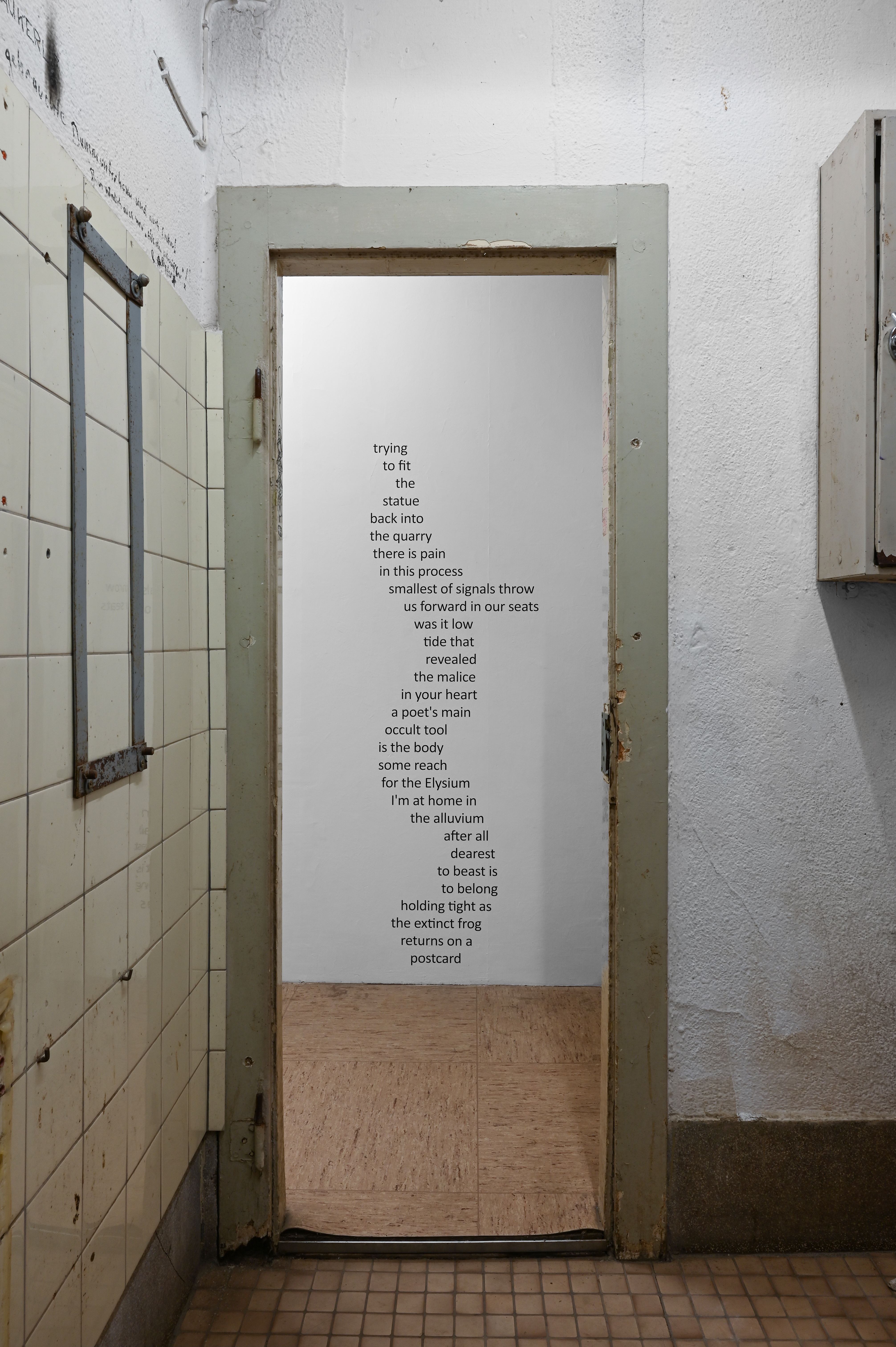
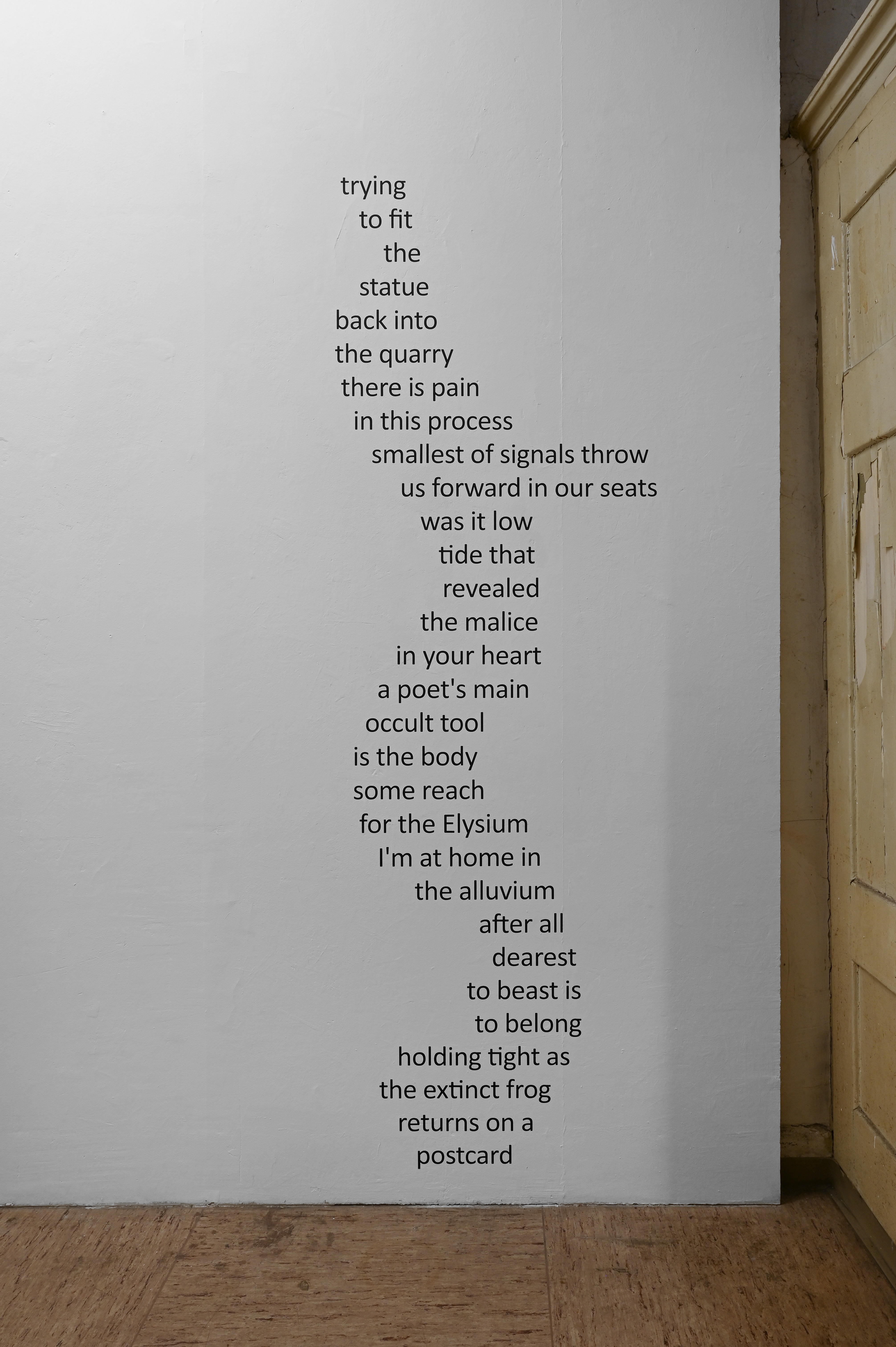
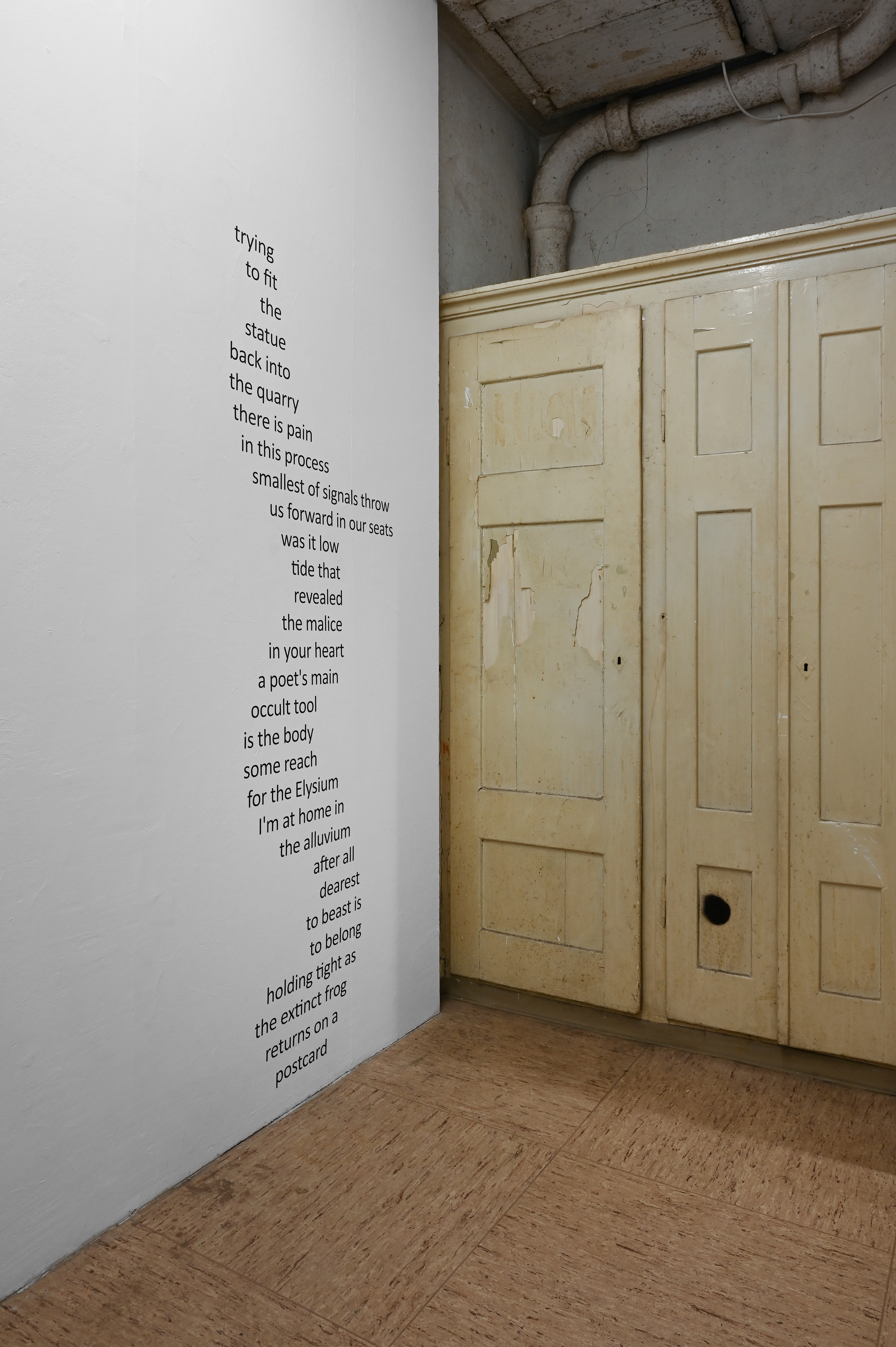
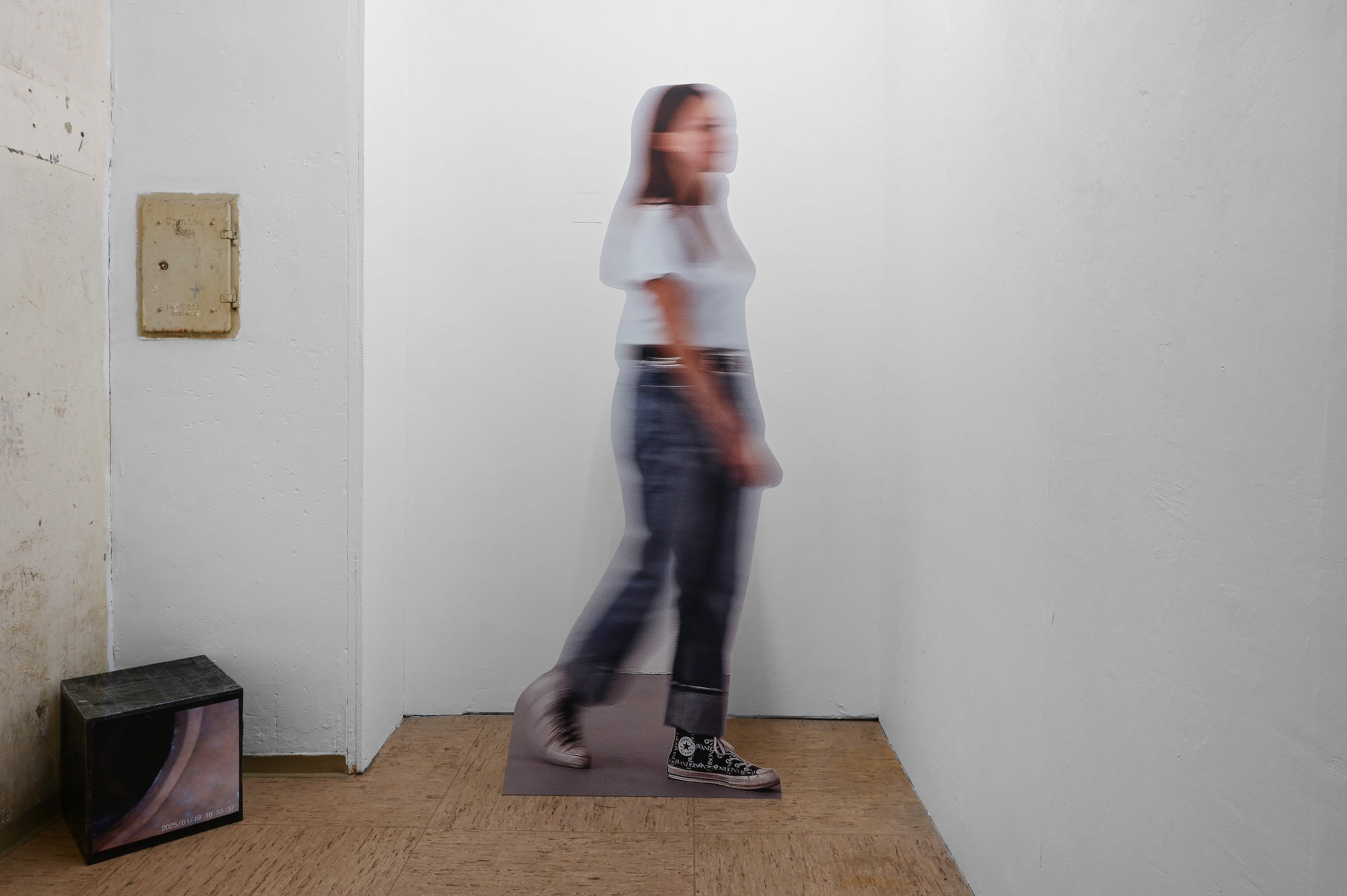
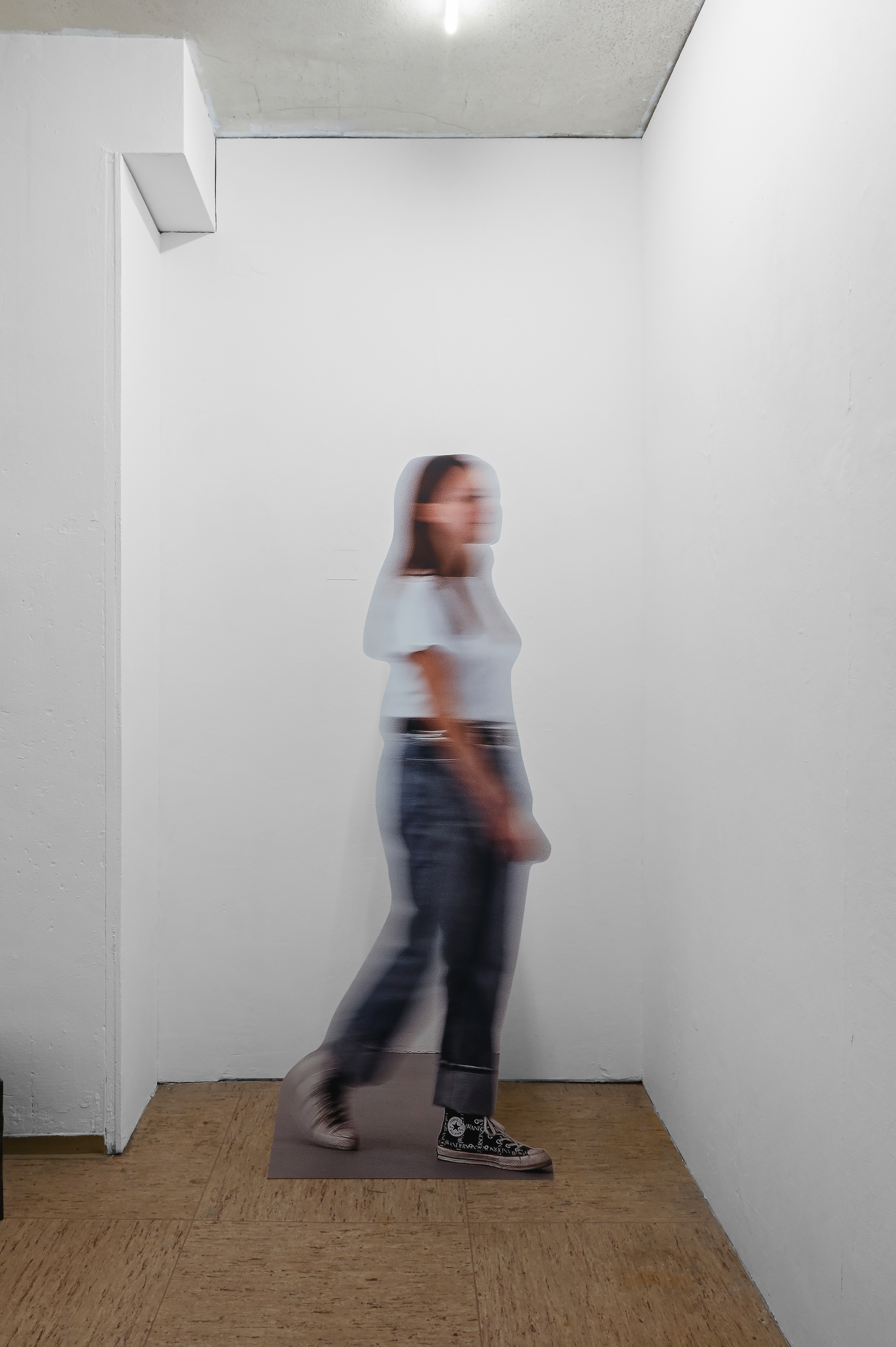
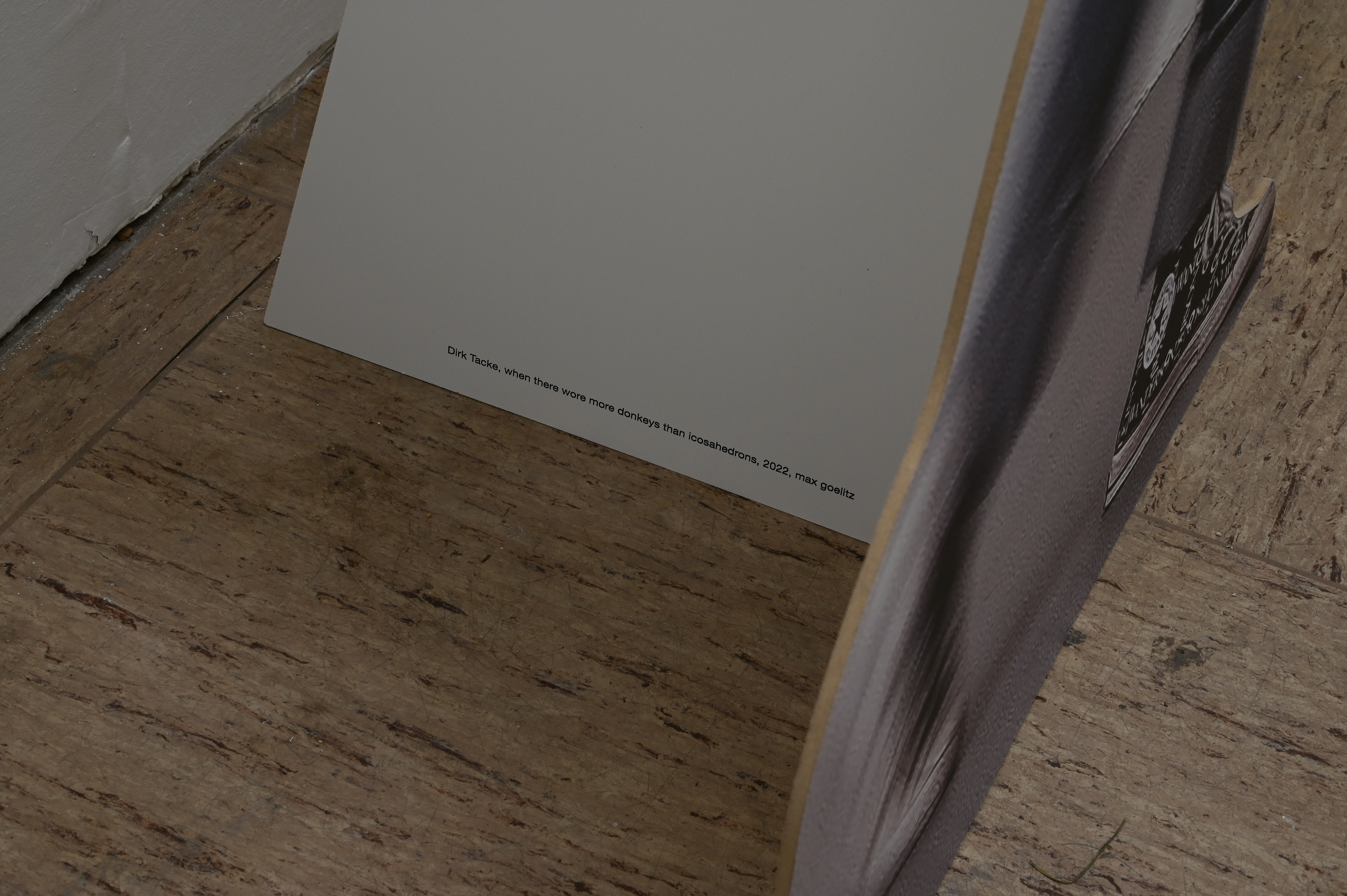
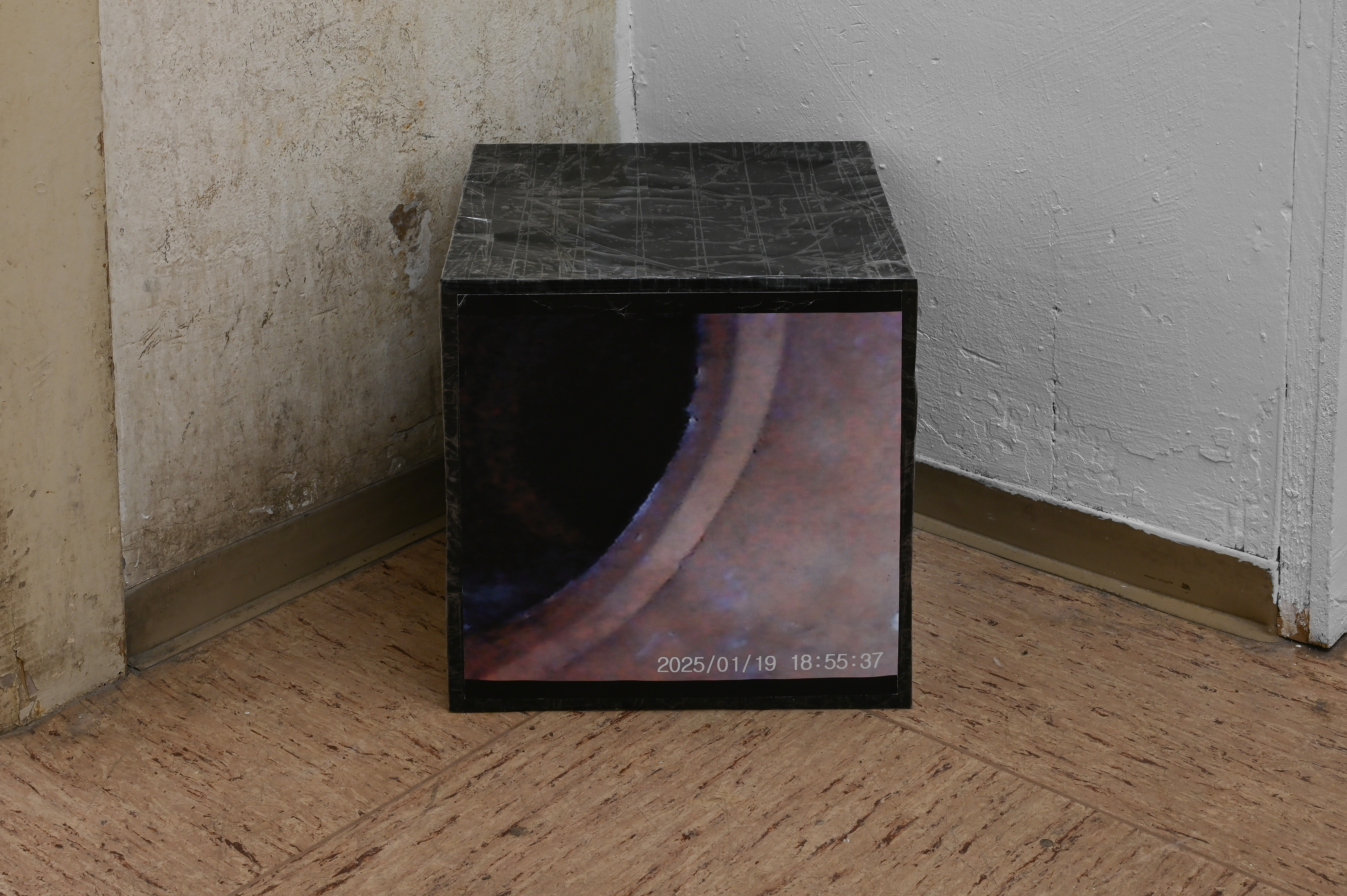
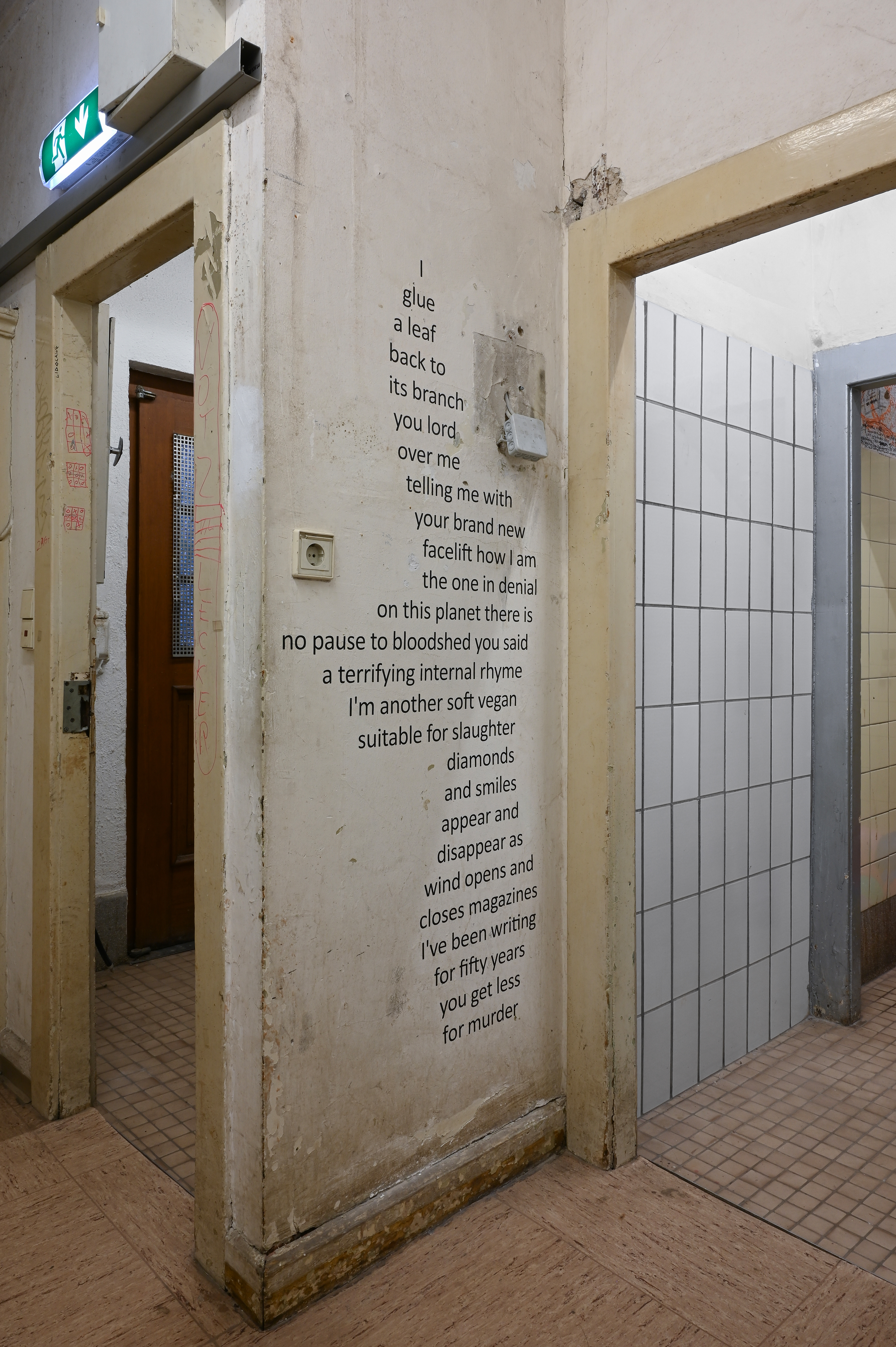
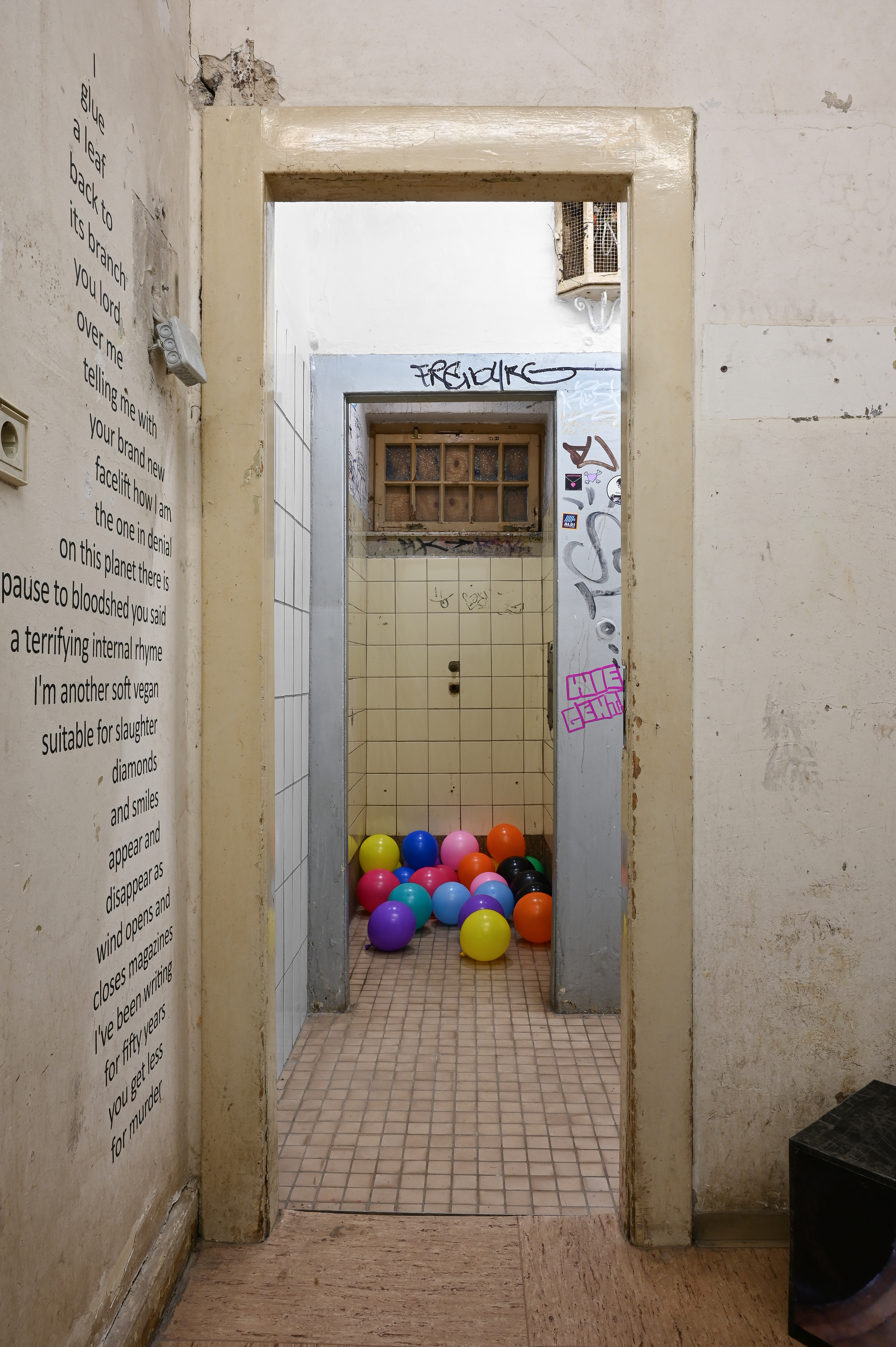
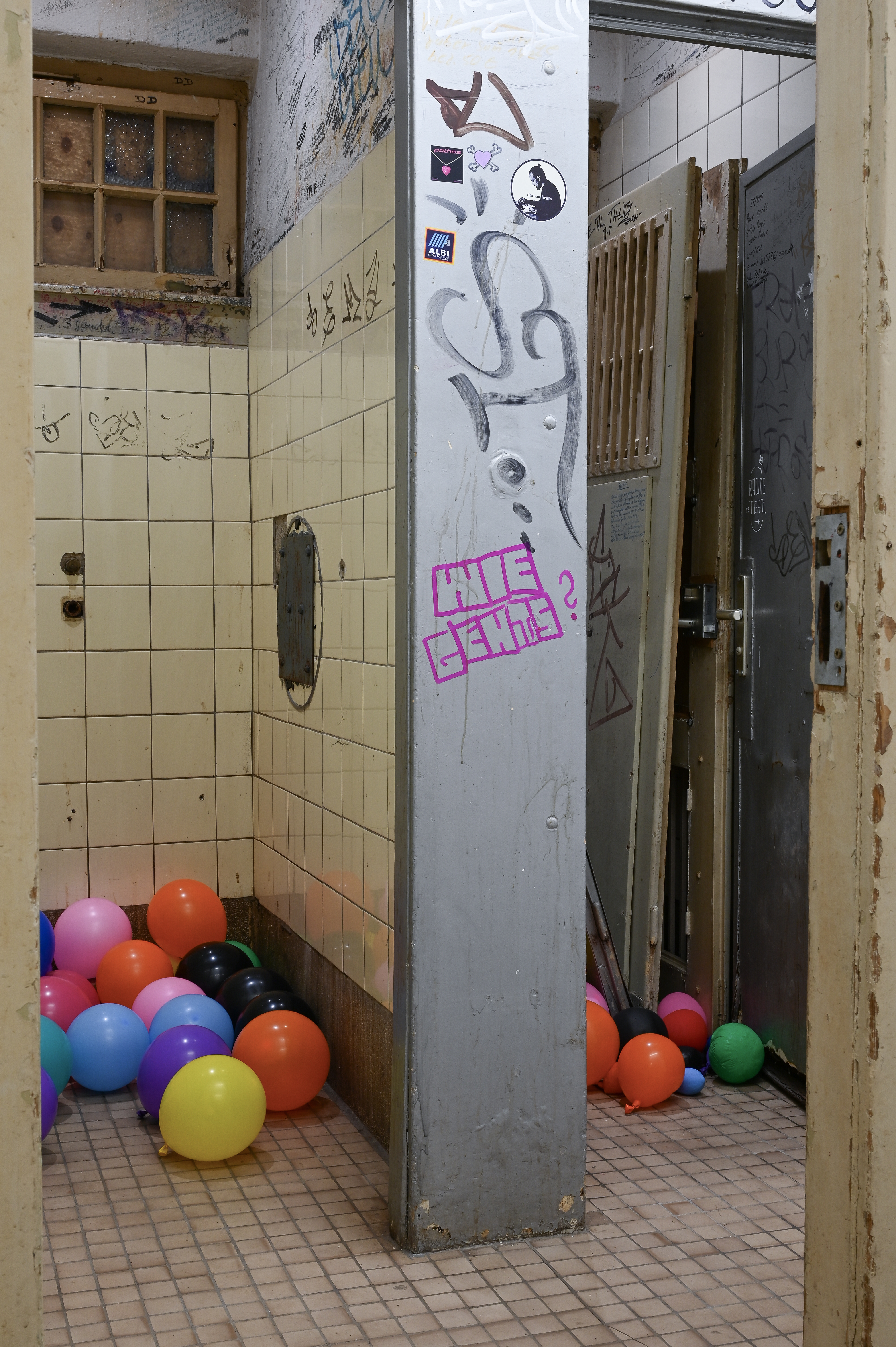
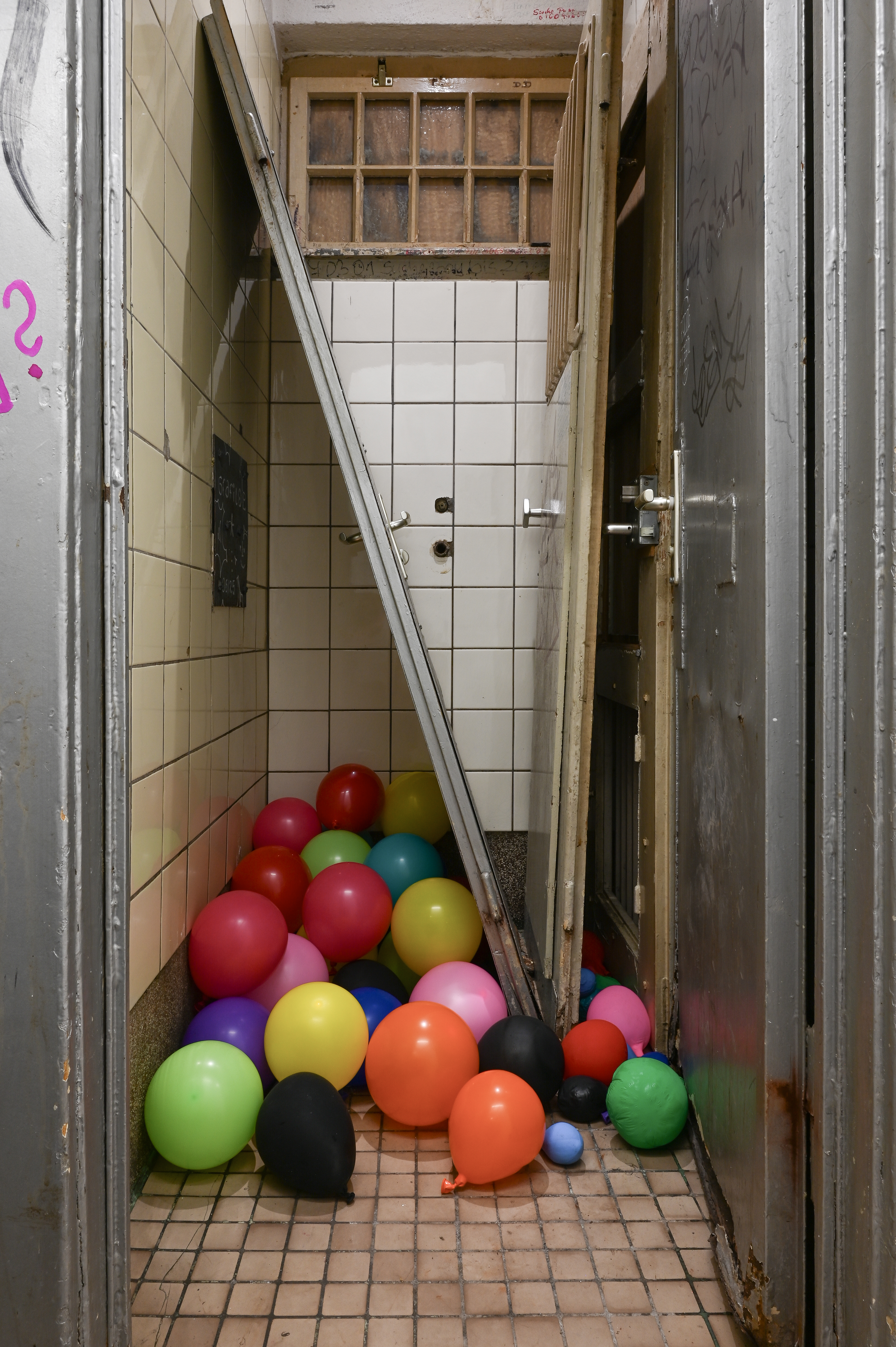
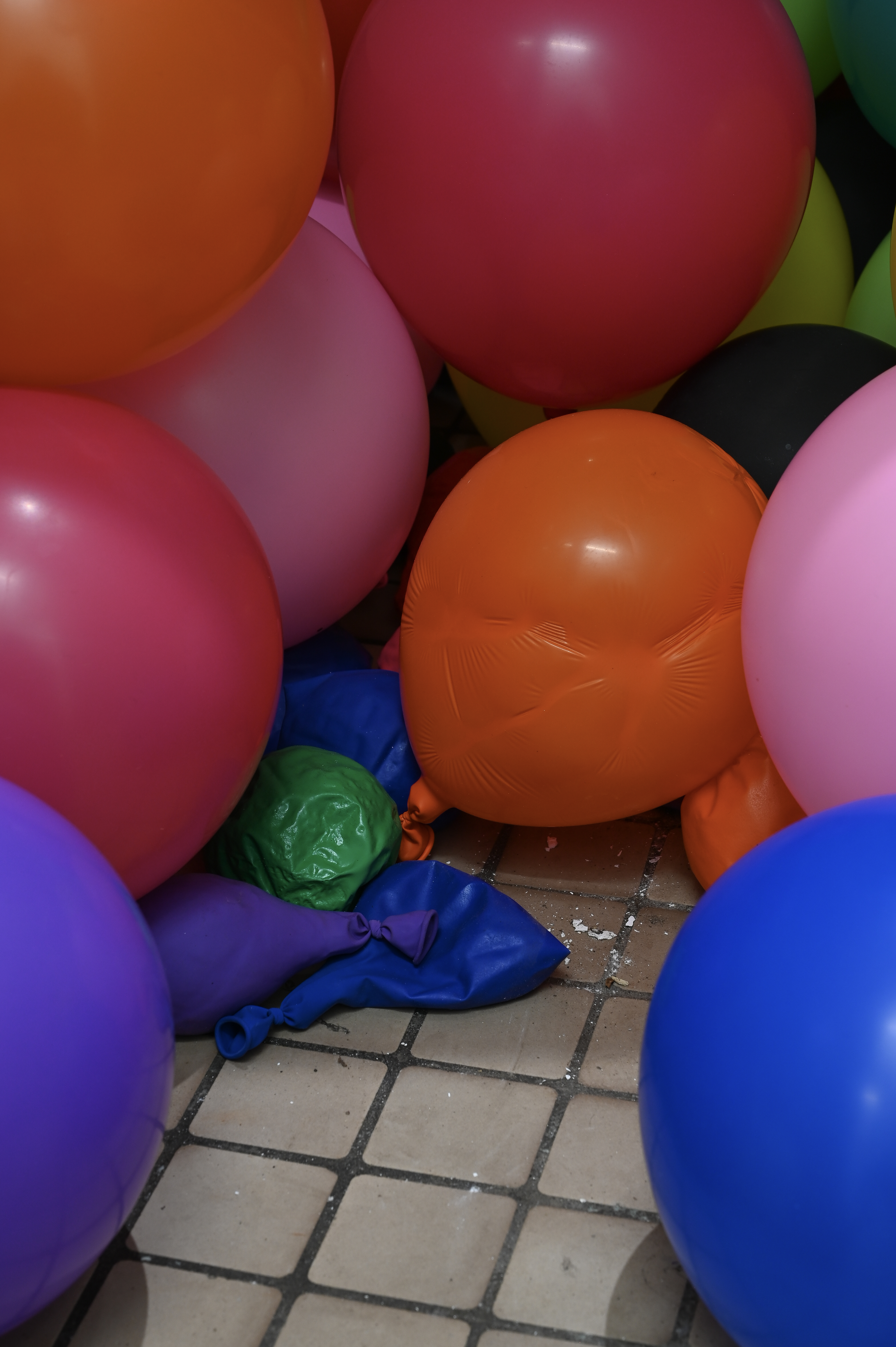
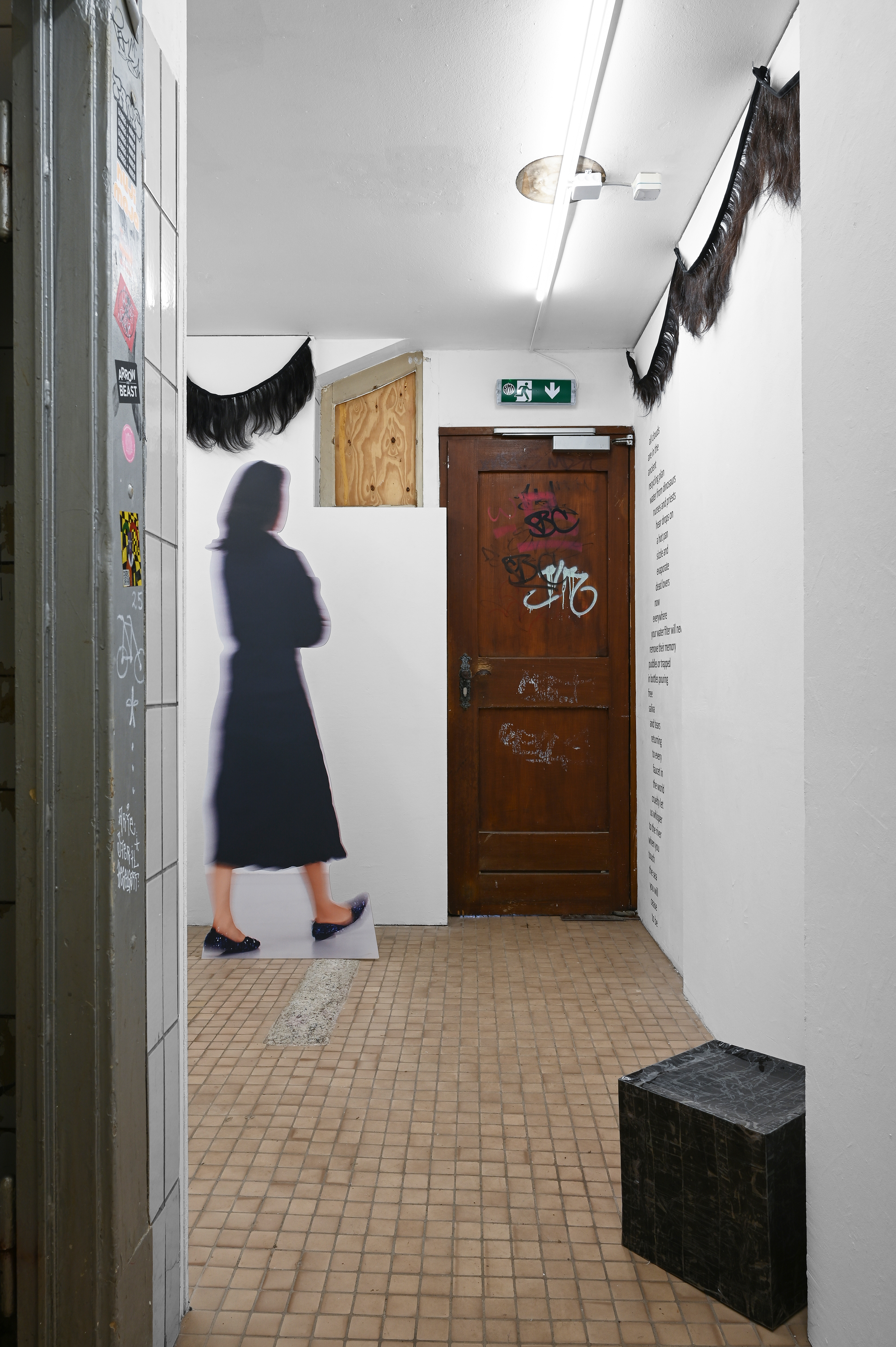
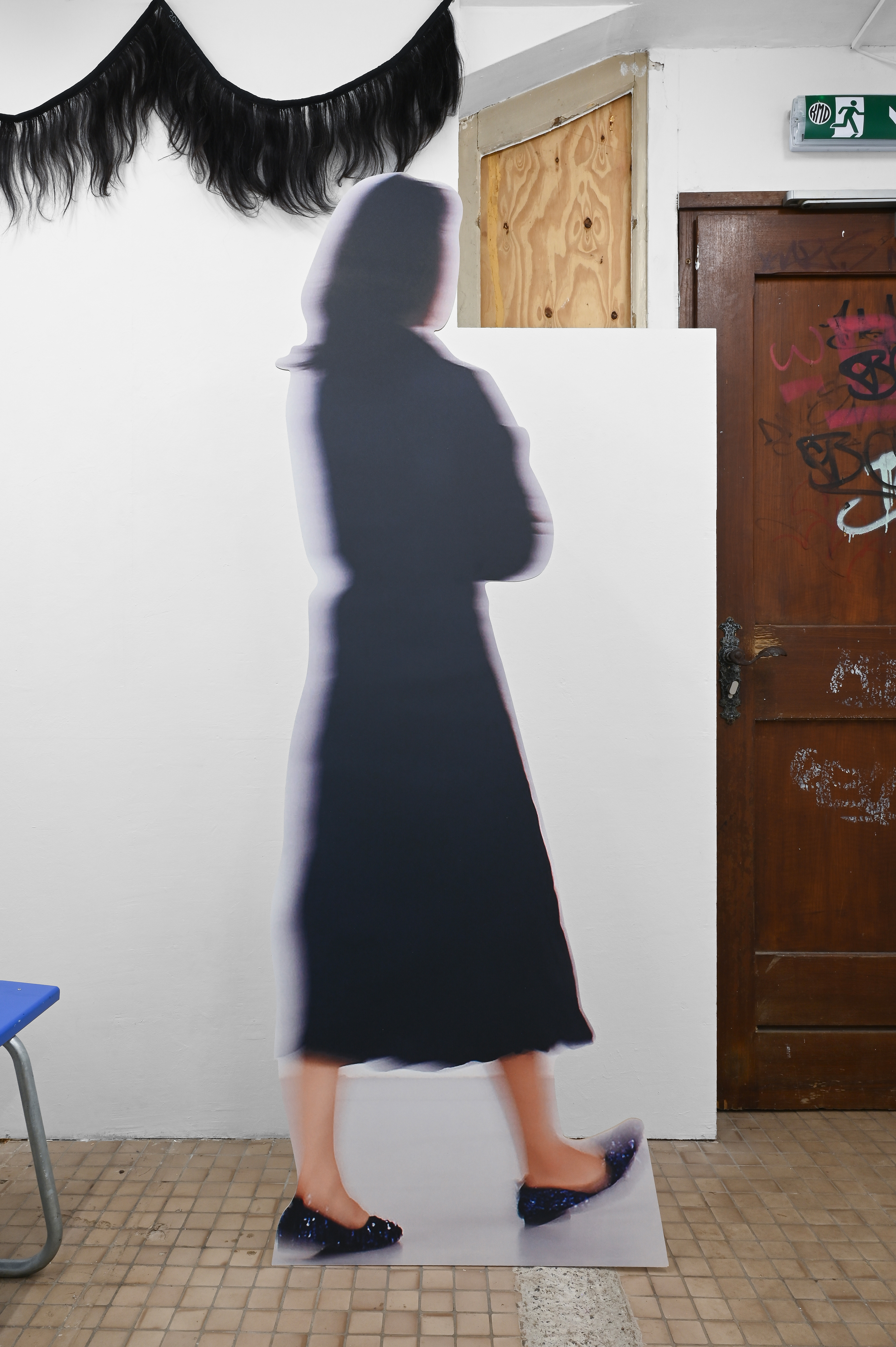
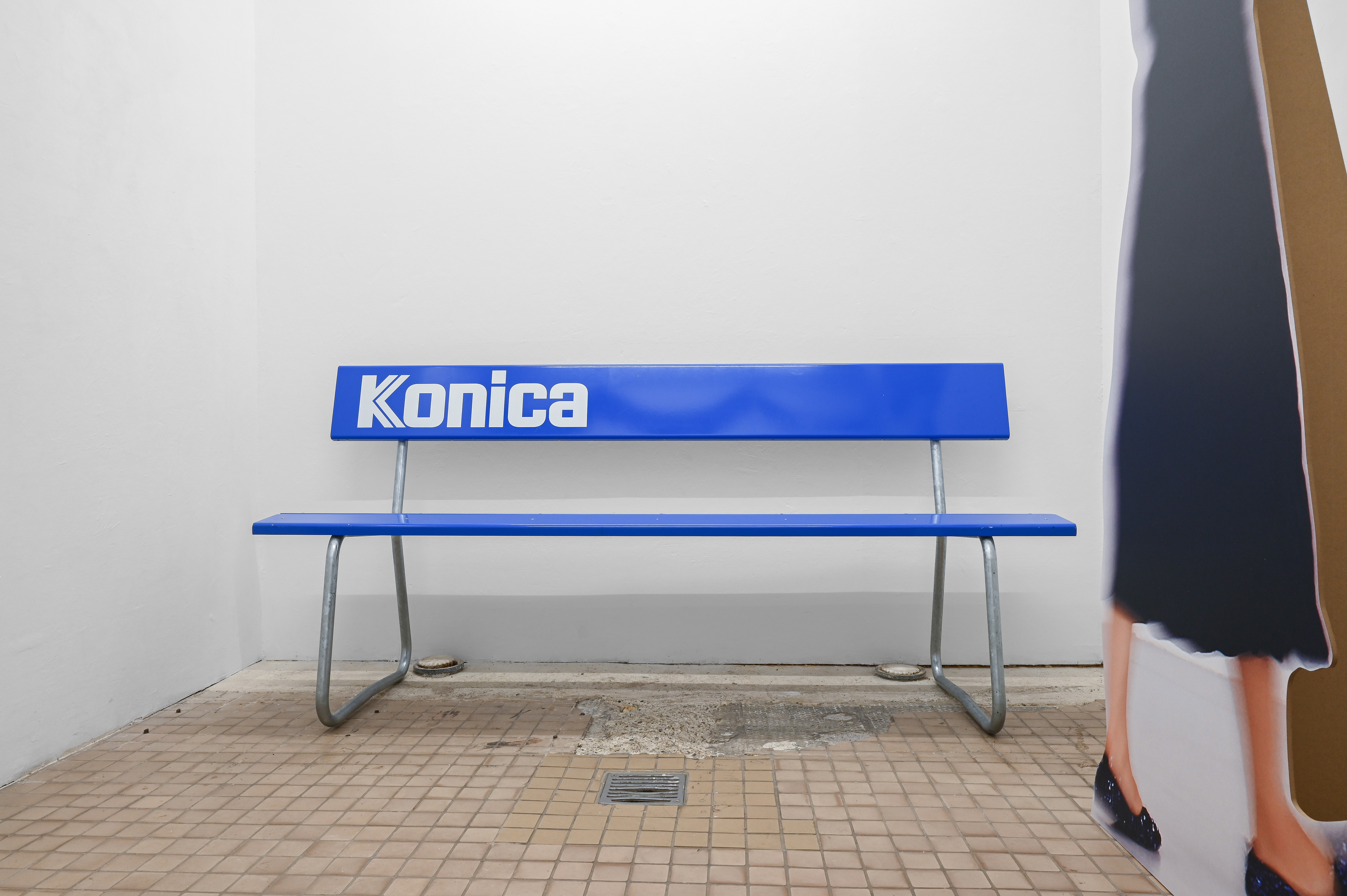
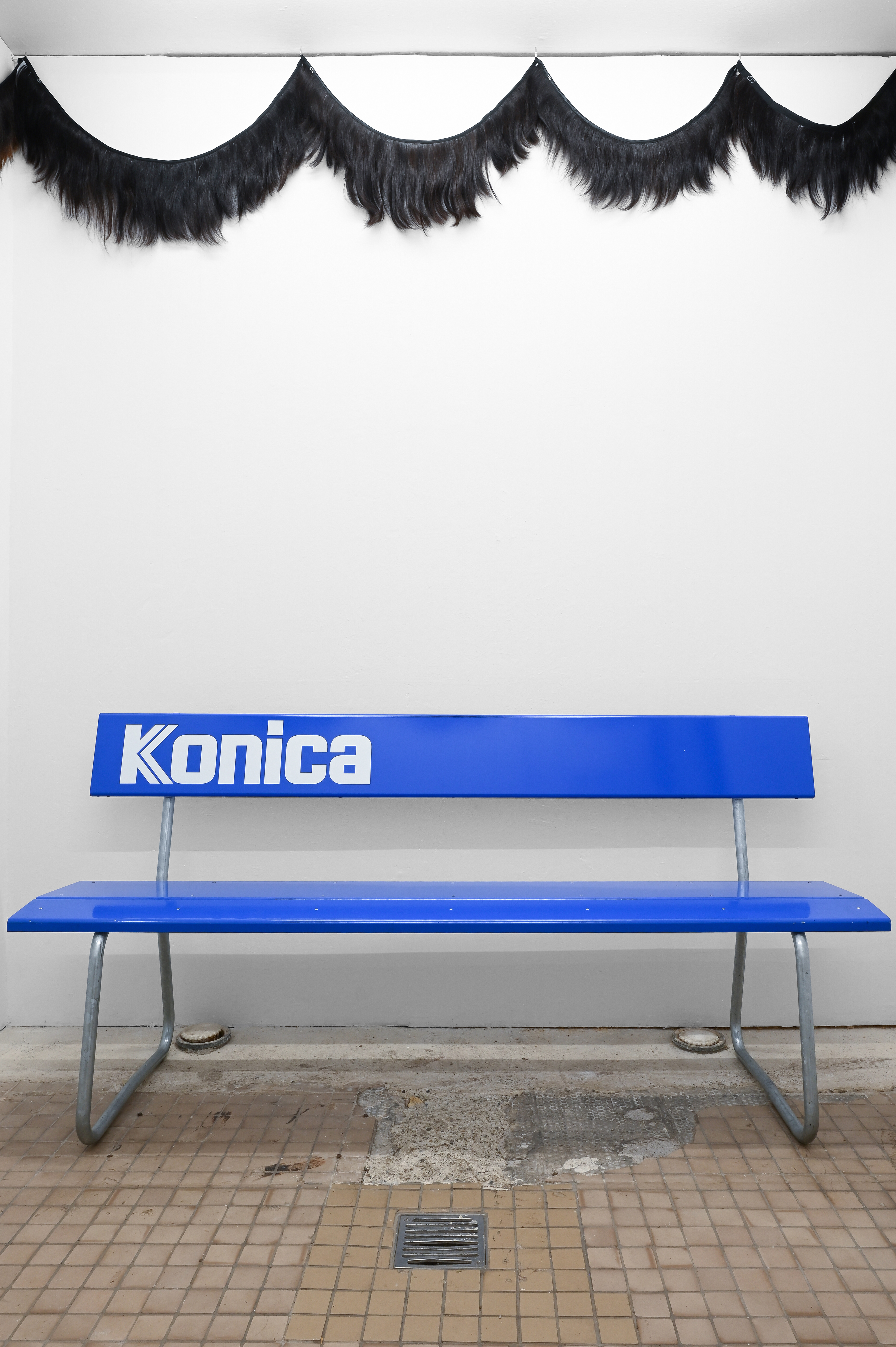
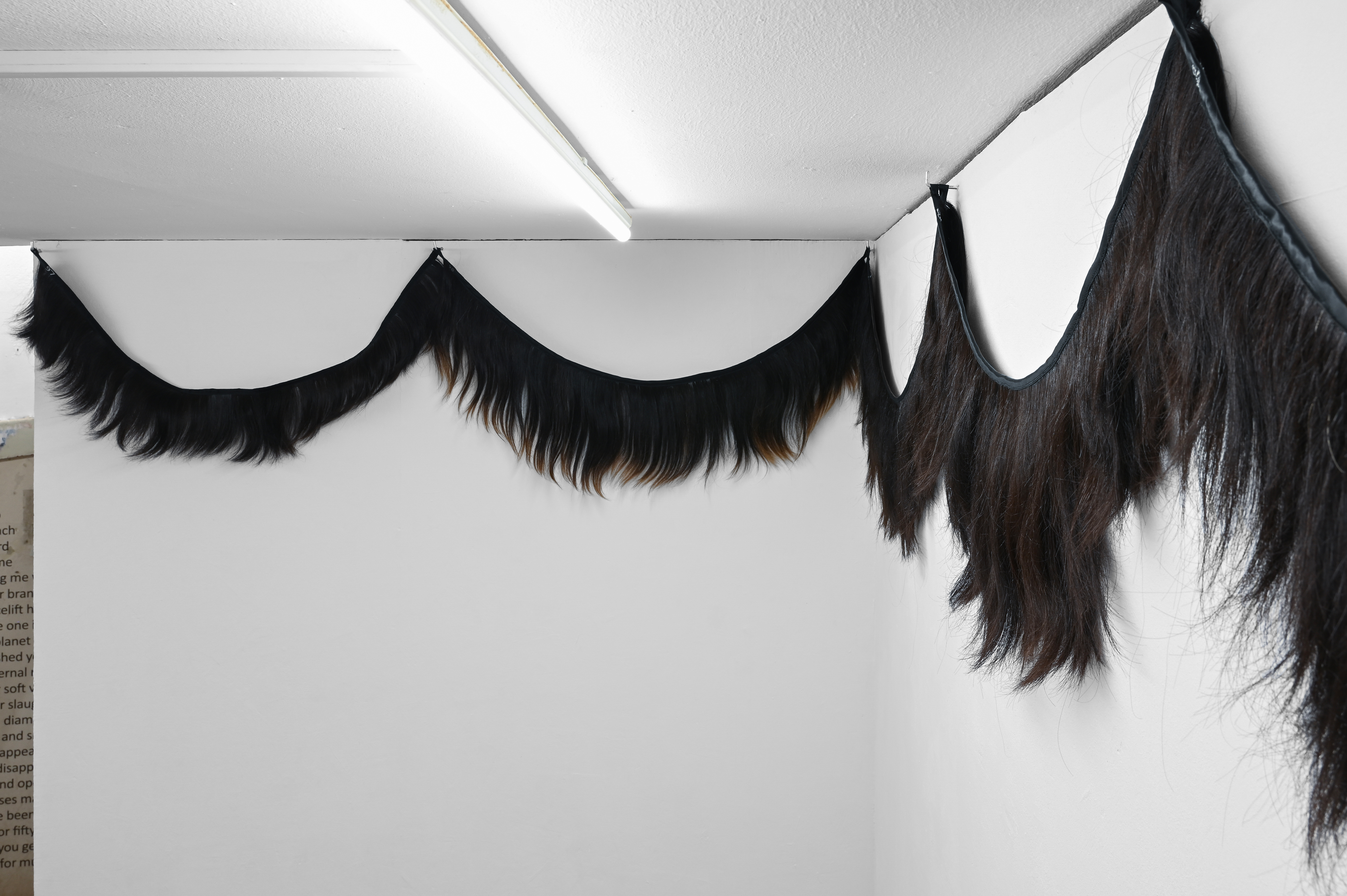
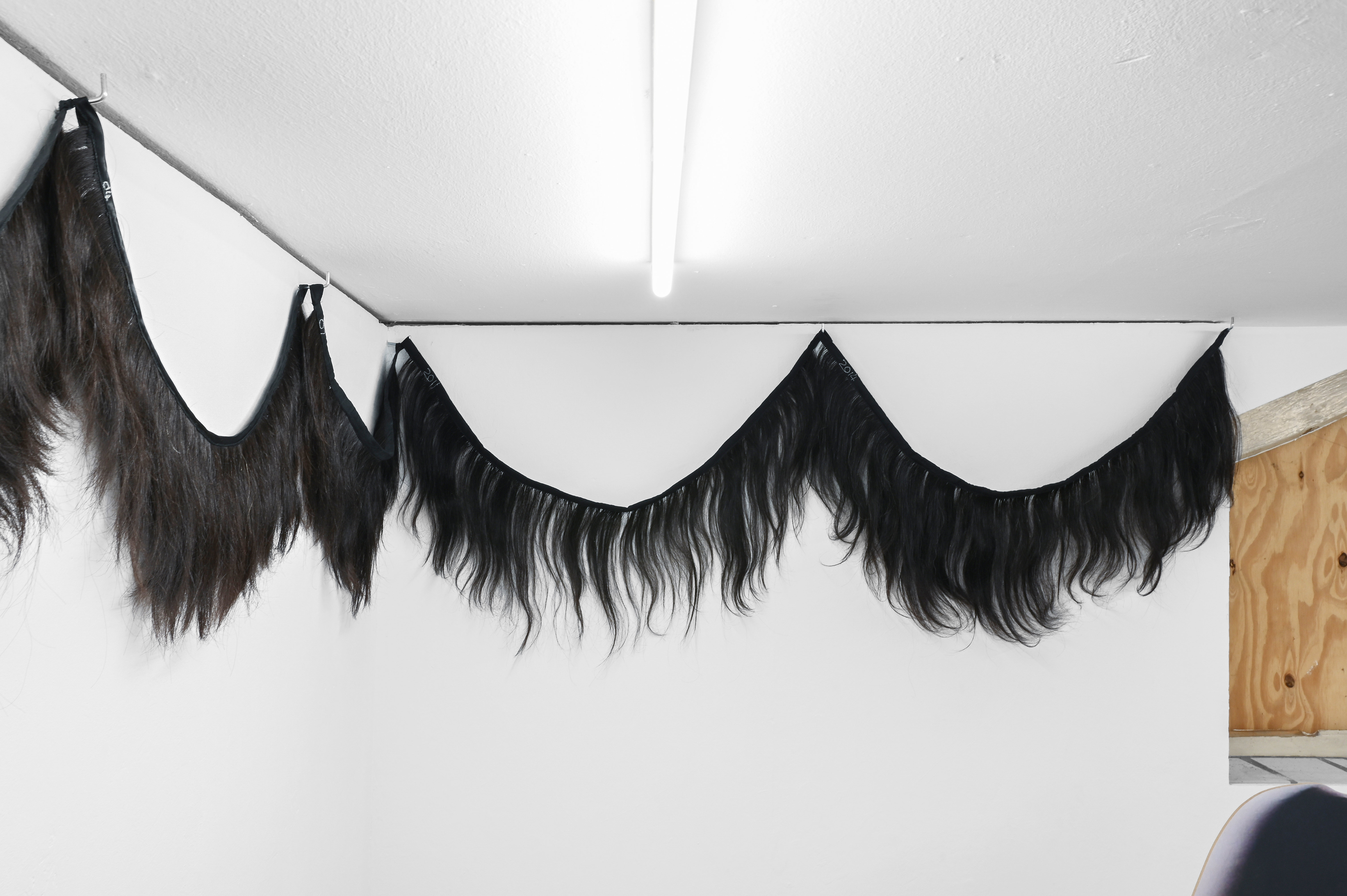
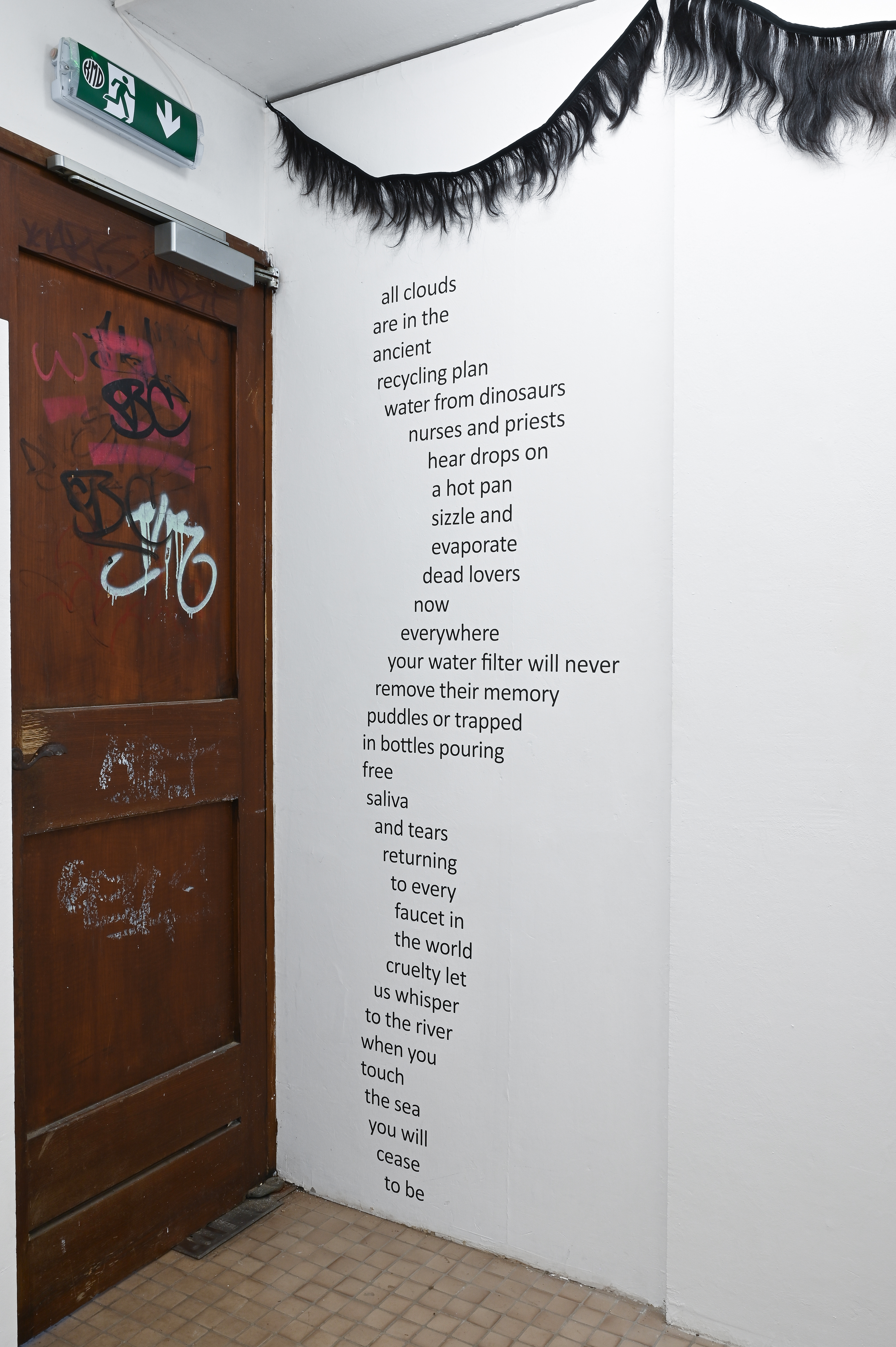
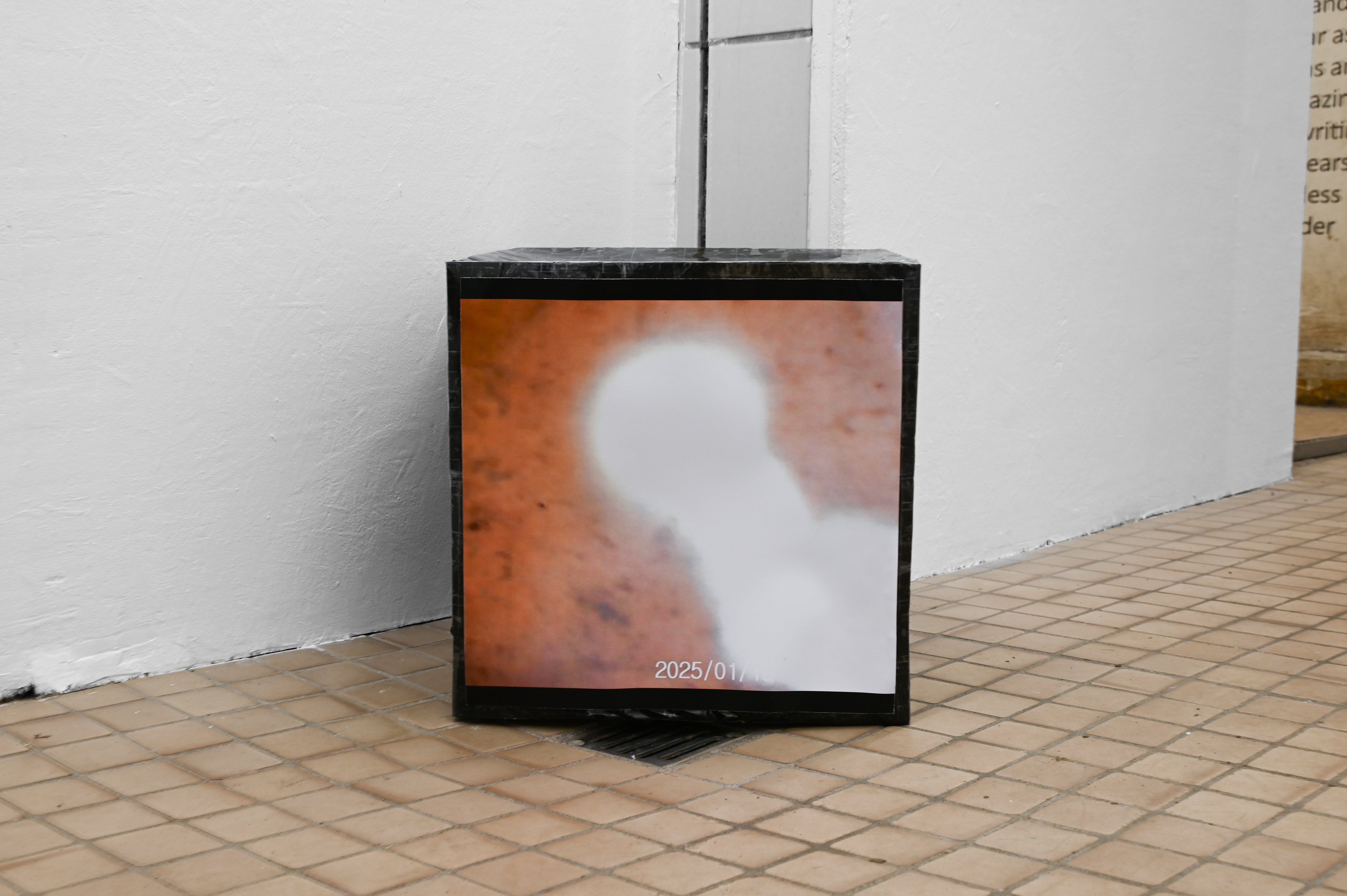
It’s easier to think of u through the summation of its activities rather than as a Thing or a person. Although technically organized by Sean Morel, and clearly tethered to him, it seems to me that u crosses the threshold of being merely an alias or alter ego. Instead, u emerges through collaboration and is situated in between things and people. u finds its existence in the relationships between Sean, the artist and curators that come into the fold, the objects that materialize, and also the viewers’ responses. In this sense, u is a shared name—u is you. With this in mind, I read Sean’s description of u as “an element of language; it preexists us and accrues meaning through interaction”¹ as pointing toward a kind of solidarity.
u stands as an example of a DIY culture among exhibition makers and artists who grew tired of a certain kind of inertia that comes with exhibiting at institutional or Commercial spaces. Their volition and drive to produce, to actualize their excitement for making something and presenting it to the world, exceeded the timely manner of operations and opportunities available to them. On top of that, especially if you are interested in experimental exhibition making, the problem becomes apparent. How could you break the mold without breaking with the structures of the sanctioned spaces? Where with all that surplus energy? It must materialize somehow.
Why not make your own mold, open a project space? As u states itself, “project spaces are quite easy.”² All you need is your bedroom, your basement, or whatever. You can go to a library or a public park and put on a show by an artist you recently discovered online, immediately fell in love with, and felt compelled to reach out to after scouring the web for their email address.
Get your friends to the park—that’s your local audience. If you want the show to cross borders, take your camera with you and share images online—there’s your international audience. There is a distinctive enthusiasm and optimism and accessibility in u’s approach to exhibition making that seeks to infect its audience: anybody can do it!
(No doubt, the ethos of u also resonates with Kaiserwache, which is why it felt only right to invite u, to reverse the tables for once and have a heart-to-heart, from one project space to another.)
u approaches the concept of a project space by rethinking its physical boundaries. Instead of a fixed location, u constructs micro-exhibition spaces out of clear packing tape, small, light weight, transparent cuboids designed to be shipped affordably. These shippable galleries are sent to collaborators around the world. Upon arrival, the recipient can choose to physically intervene in the micro-space or leave it untouched. Often, the object itself serves as a catalyst for a deeper dialogue regarding the expanded (or perhaps compressed) idea of an art space, and what commitment to a shared project might entail. What is foregrounded is not the insistence and Permanence of the space, but the moment of contact it initiates. The gesture of invitation establishes a temporary commons, one that exists only through participation, response, and importantly a reciprocal appreciation of one another as art practitioners.
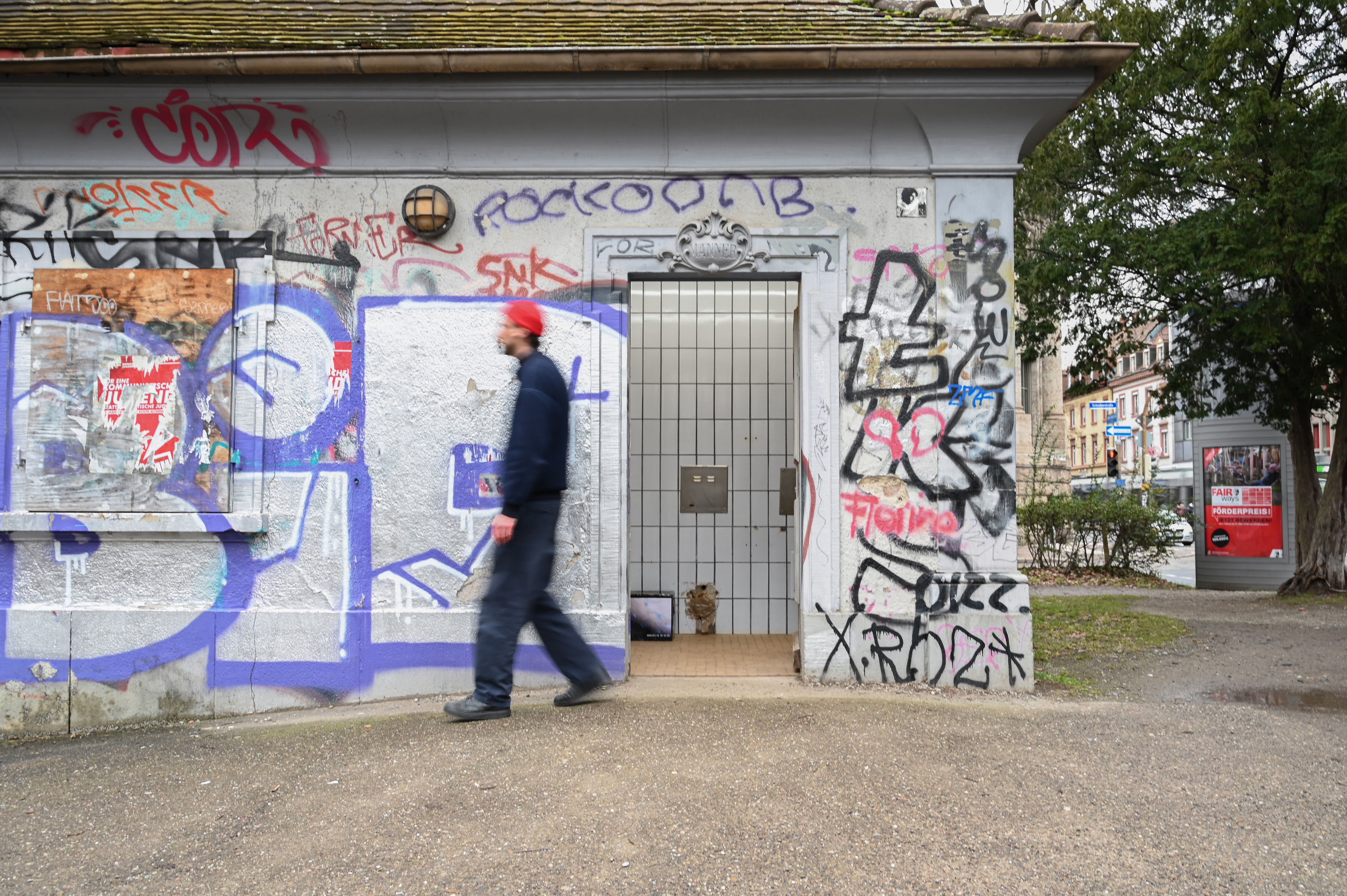
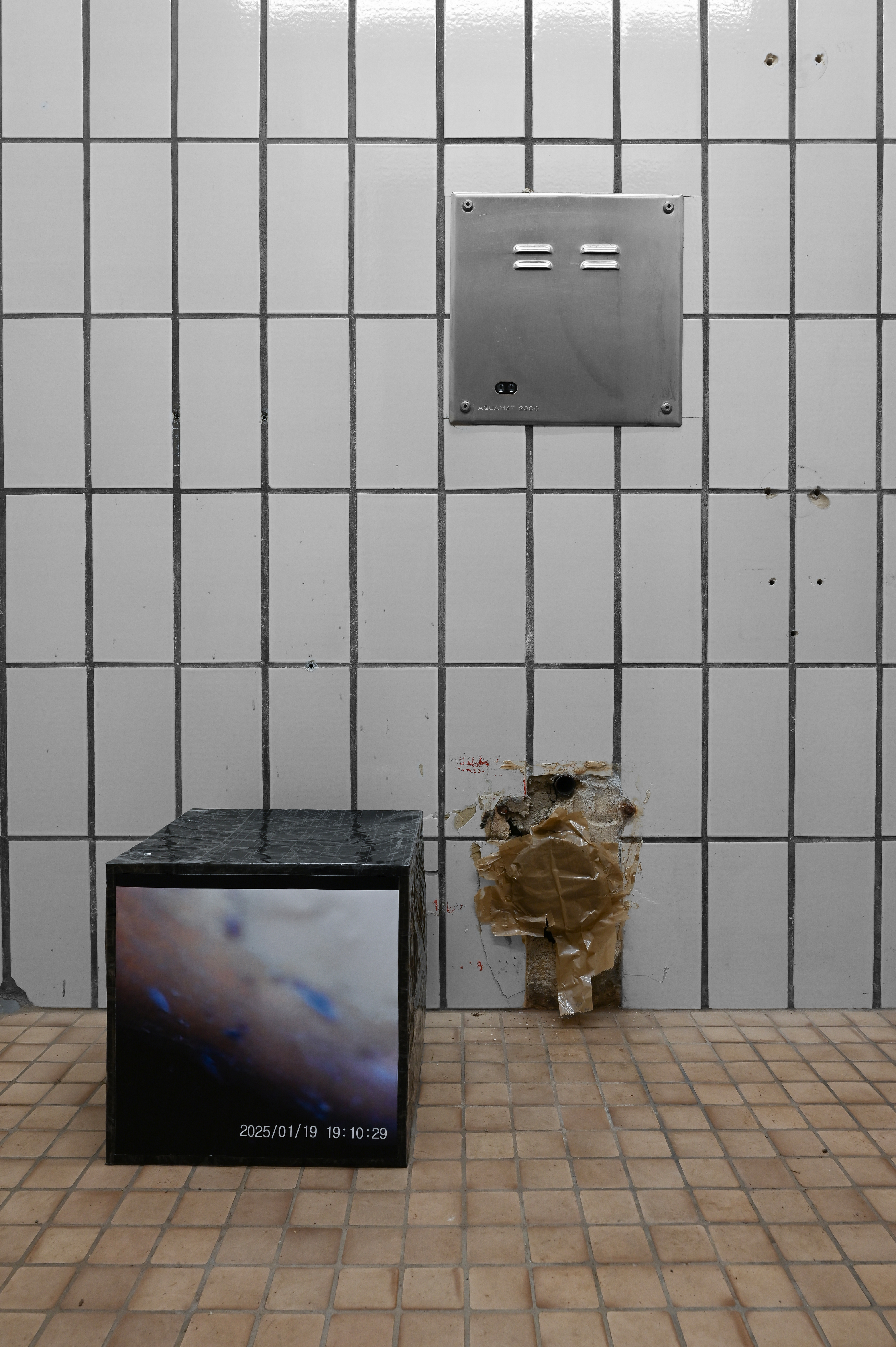
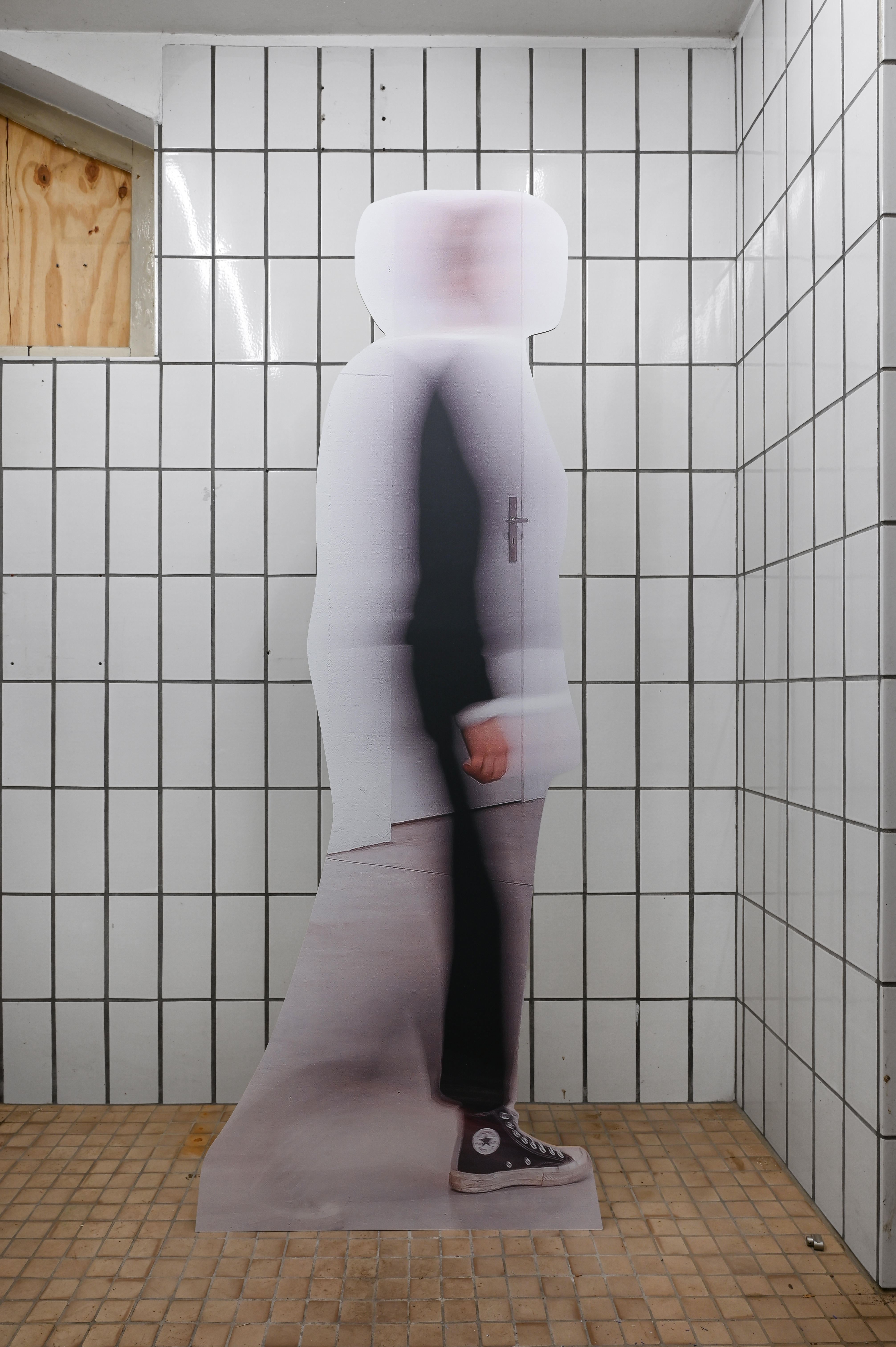
For “Brain in a Pipe,” u turns away from the tape spaces to engage with Kaiserwache’s unique architecture and derelict infrastructure. The title recalls u’s exhibition at the Southern Alberta Art Gallery, which offered free exhibition titles up for grabs; one such prompt was “brain in a jar.” This title was adopted and adapted for Kaiserwache in reference to KW’s omnipresent but defunct plumbing. All these pipes lead somewhere—and also lead somewhere within KW itself.
While the most visible traces of the past appear in the Art Nouveau ornamentation, and in its defacement through graffiti, this is not necessarily where the building’s history resides. Perhaps it is embedded instead in the plumbing infrastructure: water in, waste out, heat dispersed, bodies briefly accommodated. Since here lie the reasons for its existence, or at least its birthright. In this logic of circulation, in the movement of energies, we might need to look more closely. It is here that the brain of the Operation “Kaiserwache as public toilet” could be located. Matter was once meant to flow through these channels and no longer does. What remains? Is the brain still lodged in the pipes, as the title suggests?
With no heating and no running water, no ventilation, the building becomes in the winter essentially a walk-in freezer. Inhospitable to visitors, it once again refuses comfortable use even for exhibiting. For this reason, KW usually entered a seasonal break. Yet, u was drawn precisely to this condition, to the possibility of subverting cycles of habitation. What does it mean to exhibit in the off-season? The works in this show do not warm the space, nor do they restore any of its previous functions. Instead, one might say, they align themselves with this arrested metabolism.
¹ press release for “diary entry 5” by u at Southern Alberta Art Gallery / Maansiksikaitsitapiitsinikssin Centre Village Mall, Lethbridge, 2022
² “artist talk,” slideshow of scanned prints, 5 minutes 37 seconds, 2022
Artists
Gina Folly, CAConrad, Jan Domicz, Germaine Koh, Devin T. Mays, Sean Morel
Download
Press release (PDF)
Location
Kaiserwache
Kaiser-Joseph-Straße 286
79098 Freiburg im Breisgau
Germany
View map
Website
https://kaiserwache.com